Showing posts with label self-reliance. Show all posts

Friday, June 1, 2012

Home-Grown Dinner

Our growing season here is quite short so eating fresh from the garden is a big deal.  Yesterday was our first chance to actually harvest something from one of our gardens so I decided to try to make a completely home grown meal out of it.

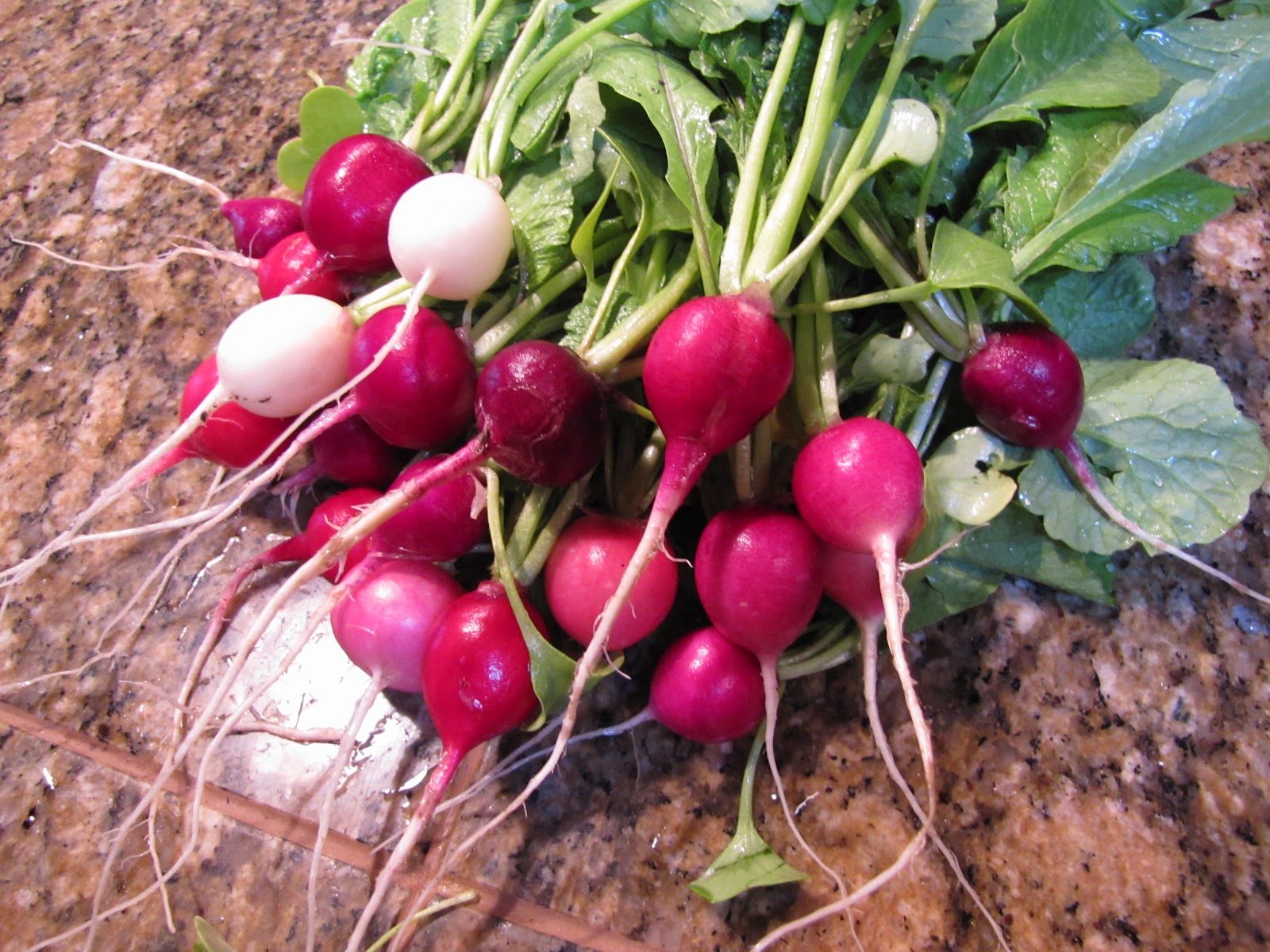
My daughter Emma and I picked spinach, arugula, baby kale and radishes to make a salad.  No tomatoes yet, they are going into the garden this weekend.
I defrosted some elk sirloin from a nice elk harvested off our property last fall. Heated a bit of olive oil in my cast iron skillet and sprinkled a salt and fresh ground pepper on both sides.
 
Into the skillet they go for a pan sear.
 
Four minutes on each side, they were cut pretty thin and I wanted them pink inside.
 
What a great dinner that tasted even better knowing that it came off our place.  With the exception of the ranch dressing!

Tuesday, August 18, 2009

(Almost) Free Heat

Even though it's the hottest month of the year we are thinking about keeping warm. Before we know it the snow will once again fly. So, before it gets cold enough to the point we need to heat the house, we need to collect 5 to 6 cords of good firewood.
We used to purchase North Idaho Energy Logs which are like a giant version of the wood pellets one would run through a pellet stove. They were a good deal in comparison to running our electric forced-air furnace but in the last few years the price was driven up along with lumber prices during the building boom. Curiously though lumber prices have dropped the price of these logs has not.
Fortunately for us a couple years ago our neighbor had 50 acres of his land partially logged which left huge piles of downed trees that were deemed "unmarketable" by the logging company and left to be burned. Also, the logging equipment damaged some trees which eventually resulted in many "standing dead" timber. He was going to hire a crew to have all of this cleaned up and burned.
Maybe it was a little opportunistic of us but we suggested that he let us do the clean up and our pay will be the firewood we salvage. This will be our second year harvesting and in this slow economy it has been such a blessing to have access to all this firewood.
Like the title suggest, this wood heat is not exactly free. The material cost are obvious: chain saw oil, gasoline, the oil that is mixed in the fuel and this season a new chain for the saw. It is also very time consuming. Thank God we don't have to spend more than a couple minutes drive time to get there since it adjoins our property. It's takes around 4 hours to collect a 1/2 cord of cut wood if nothing goes wrong with the chainsaw
It is hard work to say the least. Greg cuts and I load the truck. Usually this involves me using a wheel barrow to get the wood to the truck so I can load it. Even Emma and Bentley are tired from playing in the woods by the time we finish a half days work.

Monday, July 13, 2009

Huckleberry Hounds

One thing that I didn't even know existed until I moved to North Idaho was the mountain huckleberry. It's not the same huckleberry that grows east of the Rockies but is actually a wild cousin of the blueberry which also grows in the wild in addition to being domesticated. As far as I know the mountain huckleberry that grows in the western parts of North America has never been successfully cultivated to produce its fruit in commercially large scale amounts.
Huckleberries are very much part of the culture here. Even our Costco carries huckleberry jam! I have two cookbooks both written on the huckleberry and how to use them. Go to the local farmers market and a one gallon zip lock bag full of these little gems is going to set you back $30 to $40 because picking them is so labor intensive
But they do deserve the attention because they are so extraordinarily good tasting. Huckleberries are a blueberry with an attitude. They are tart and sweet at the same time and will leave you calling their domesticated cousins "blawberries"! I make batches of huckleberry jam to ship out to my family in California and though they have never tasted a huckleberry before I have no doubt in my mind that they are going to love it. It's so good that they hide it from others and ration it out!
The huckleberries that grow here in North Idaho generally occur in altitudes above 3000ft. We usually take a drive up the local forestry roads to check on their progress ripening in late June but these last two winters have had such great snow totals we have been able to wait until early July to check on them. In contrast, during hotter summers following a lighter winter, we have completely all of our picking before the 4th of July.
Of course the higher in altitude or further north you travel the later the huckleberry season begins. We have seen grizzly bears in Glacier National Park feasting on ripe huckleberries in mid-September. On the subjects of bears, it is a good idea to carry a can of bear repellent when picking huckleberries because they like them, too. Some of the best huckleberry picking we've experienced has been in grizzly country over in western Montana.
Huckleberry picking has become a tradition in this household for over a decade. I think the only season I missed was when I gave birth to my daughter the summer of 2002 and still a great neighbor was kind enough to bring us a half gallon of them. This year we added another picker to our team, Bentley, our new boxer pup who after tasting a few huckleberries began picking them off the bushes himself. I'm not too sure if that is a good thing because who needs the competition?

Thursday, June 25, 2009

Meet the Meat Chickens

Hello everybody! I know it's been a while since my last post. We have been shopping for new puppy and it seems like all my time on the computer has been dedicated to this quest. I'm not the great multi-tasker I once was and it seems like all other interests are abandoned for a short while then soon revisited and put once again in the forefront of my mind. I think I must just be getting older.

Anyways, I wanted to share with you all my first experience raising a few meat chickens. Yes, all chickens are made of meat but the bird of choice for the poultry industry and backyard farmers is the Cornish Rock Cross. They are a hybrid of the Cornish bred to the Plymouth Rock and from what I have learned so far is that parents of these crosses are specifically bred themselves to produce the desired qualities looked for in their hybrid progeny.

The purpose of these Cornish Rock birds is to grow fast...really fast. To be a nice frier/ broiler size within 6 to 8 weeks from hatching. Along with this fast growth comes the risks of their body weight growing faster than their legs can suppose them.

I really wasn't planning on getting meat birds this year but I was thinking about it. I was especially inspired by the wonderful blog The Deliberate Agrarian . It's a great place to not only learn about raising and processing chickens but also living self-reliantly in a spiritually inspired way.

My buying three meat chickens was a little of a impulse purchase though all three cost about the same as venti mocha at Starbucks. I was at the feed store the first week of June when they had their last shipment of chicks arrive. They were all pre-sold meat chicks but in one of the brooders they had 3 big one-week old meat chicks and they were available for $1.30 a piece so I bought them. I figured it was an okay deal since they had an entire week of feed and heat lamp already invested into them.

My goal for these three birds is to raise them to roaster size which is a little larger than a frier/broiler chicken. So, I'm experimenting with allowing them to grow at a slower rate by feeding them a layer food and taking it away at night. They do have interesting personalties though. Very calm and docile birds but they seem perfectly comfortable with pooping while still laying in front of their food dish! Definitely couch potatoes!
Currently I get my friers either from Costco (already processed of course!) or from my extra roosters that are a byproduct of hatching our own heavy brown egg layers. Here's one pictured above. I slaughtered a couple yesterday that were Buff Orpington crosses. These birds are young and tender but do not have the broad breast the Cornish Rock Crosses possess. I'll probably end up slaughtering some of my Cuckcoo Marans roosters, too. They are supposed to be a good table bird and they mature a lot faster than the Buff Orpington crosses.

Monday, May 11, 2009

Here's the Beef! All Two of Them!

In my former life as a Californian there is one thing that I never would have guessed I'd be doing in a million years and that is raising my own beef cattle. I do not fancy myself has a true rancher of beef because I only raise 2 or 3 steers a year. We raise one for ourselves that we usually end up splitting with friends or family. The other ones are sold to friends , too.

We purchased our first heifer out of necessity right after we purchased our home here in North Idaho. Our property taxes are reduced if we have some sort of consumable livestock grazing on it. So, we could raise cattle, sheep, pigs or goats to have our place designated as "dry grazing" land.

At first we thought we wanted to breed our own beef cattle and purchased a hereford heifer from a local rancher. Part of the purchase price included a breeding back to his angus bull. After we had her for a few months he picked her up and pastured her with his herd. She was returned to us pregnant and the next spring gave birth to a baldy bull calf that we castrated ourselves. We raised that baldy steer and he was our first home raised beef.
We leased a beautiful hereford bull in trade for pasture when our hereford cow was ready to breed again. The bull stayed with us the entire summer and we thought for sure we would be raising a new calf the following spring. Unfortunately, our cow did not get pregnant and we had an entire summer with no beef calf to raise for ourselves.
So, this is when we changed our plan: Instead of breeding our own beef, we would sell our cow and purchase beef steers in the spring and slaughter early in the winter after the big fall rush at the meat processors. This has worked out well for us and it makes most of winter easier by not having to worry about feeding any livestock during the coldest monthes.
We have been blessed to meet a wonderful neighbor and his family that raise locker beef and pork for a living. Mike has become our supplier of steers and he has made purchasing them so much easier by shopping the auctions and picking out reasonably priced animals for us that have a gentle temperment and are not too flighty.
Also, we have a few loyal customers that purchase these animals from us at the end of the season. Last year, we raised 3 steers and kept one for ourselves. We are only a family of 3 so one steer that has a hanging weight of 600lbs can last us a couple of years or more quite easily. So, these two new steers will be sold to other families in January.

Raising your own beef is truly fun and satisfying. It's wonderful to have animals that can take acres of grass and turn it into food for your family. We do not have to buy hay until almost October if it is not too dry out to keep the grass alive. And with the cost of hay and grain this year it's nice to have to buy hay only for the last three months of the time that we are raising the steers.